
Part of our Home Espresso: The Complete Guide to Machines, Drinks & Technique series — browse every related guide in one place.
Disclosure: As an Amazon Associate, Grind Those Beans earns from qualifying purchases. We only recommend products we believe in.
Last updated: May 2026
I’ve pulled a lot of shots — on clunky hand-me-downs, on machines that cost more than my rent, and everything in between. What’s here represents the picks I’d actually stake my morning routine on.
Choosing a home espresso machine in 2026 feels like standing in front of a restaurant menu written in a language you almost speak. Twenty-bar pumps. PID controllers. Pod compatibility. Semi-automatic. The options are real, and so is the confusion. This guide cuts through it. You’ll find four distinct machines — each built for a different kind of home barista — with honest takes on what makes each one worth your counter space.
Why Espresso Machine Specs Actually Matter
Pressure and temperature aren’t just spec-sheet bragging rights. Espresso extraction is finicky. The SCA brewing standards call for water between 90–96°C and consistent pressure throughout the shot — and when either drifts, your cup pays the price. A machine with a PID or NTC temperature controller keeps that variable locked in. Pump pressure (measured in bar) determines how forcefully water moves through the puck; 9 bars is the sweet spot for extraction, but machines rated at 20 bars regulate down to that range during brewing. The pump rating just tells you about ceiling capacity.
The grind matters just as much as the machine. A burr grinder dialed to a fine, consistent particle size is non-negotiable for pulling a balanced shot at a 1:2 brew ratio — one part coffee to two parts liquid espresso. If you’re wondering whether ground coffee works in an espresso machine, the short answer is yes, but freshly ground will always taste better. Don’t let the gear intimidate you. The learning curve is real, but once it clicks, you won’t want to go back.
Pod vs. Semi-Auto: Which Is Right for You?
Pod machines (think Nespresso) trade control for consistency and speed. You press a button, your shot pulls in 25 seconds, and the result is reliably good — not transcendent, but never bad. Semi-automatic machines hand you the portafilter and let you dial in grind size, dose, tamp pressure, and extraction time. The ceiling is much higher. So is the effort. If you crave a clean cup with a long, sweet finish and you enjoy the ritual of brewing, go semi-auto. If mornings are a sprint and you just need a great espresso fast, a pod machine is a legitimate, un-shameful choice. Both types appear in this list, because both types serve real people. And for those who love frothed milk drinks, we covered the best options in our budget coffee machines with milk frother roundup — worth a read alongside this one.
What We Look for in an Espresso Machine
Temperature stability. Consistent pump pressure. A steam wand that actually produces dry microfoam rather than watery spit. A portafilter that seals properly. Intuitive controls that don’t require a manual every morning. Water tank capacity that matches how many cups you actually make. And build quality that holds up past the 90-day return window. Those are the filters every machine on this list passed — at least in the ways that matter most for its intended user.
Top 4 Espresso Machines for Home Baristas
Whether you’re pulling your first shot or chasing latte-art perfection, one of these four machines belongs on your counter. Here’s the breakdown.
Video: Cold Brew Coffee — James Hoffmann
| Category | Product | Price | Why it wins | Link |
|---|
How we chose these picks
We compared this year’s contenders on three things home buyers actually care about: build quality and reliability, real-world brewing experience, and value at the price point. We cross-referenced verified Amazon buyer reviews with brand specs and our own brewing notes to land on the picks below.
Frequently Asked Questions
How much should I spend on a home espresso machine?
For a capable semi-automatic machine with a steam wand and proper pump pressure, you’re generally looking at the $100–$400 range for home use. Pod machines like the Nespresso Essenza Mini fall at the lower end and offer consistency with minimal effort. Spending more typically buys you better temperature stability, more user control, and longer build longevity — not necessarily a better cup if you’re new to espresso.
What espresso machine do baristas use at home?
Home baristas with professional backgrounds tend to gravitate toward semi-automatic machines that offer manual control over pressure and temperature — brands like Breville, Rancilio, and Lelit are common choices. That said, plenty of working baristas keep a Nespresso on the counter for quick shots on busy mornings. The ‘best’ machine is the one that fits your actual routine, not just your aspirations.
Do I need a separate grinder for espresso?
For semi-automatic machines, yes — a quality burr grinder makes a significant difference in shot quality. Espresso requires a very fine, consistent grind that pre-ground coffee often can’t deliver reliably. Pod machines like Nespresso eliminate this entirely, since the capsule contains pre-dosed, pre-ground coffee sealed for freshness. If you’re buying a machine with a portafilter, budget for a grinder too.
What does bar pressure mean on an espresso machine?
Bar pressure measures the force the pump uses to push water through the coffee puck. The standard for espresso extraction is around 9 bars. Machines rated at 15 or 20 bars have a higher ceiling but regulate down during brewing — the rating reflects pump capacity, not the pressure applied to your shot. Don’t worry too much about the number; temperature stability and grind consistency matter more for the final cup.
Is the Nespresso Essenza Mini worth it?
For its intended use case — fast, consistent, low-effort espresso — yes, absolutely. It’s one of the highest-rated espresso machines in its category for good reason. The tradeoff is that you’re locked into Nespresso’s capsule system, which costs more per cup than brewing with fresh ground coffee. If convenience and speed are your top priorities, it’s hard to beat.
Can I make lattes and cappuccinos with these machines?
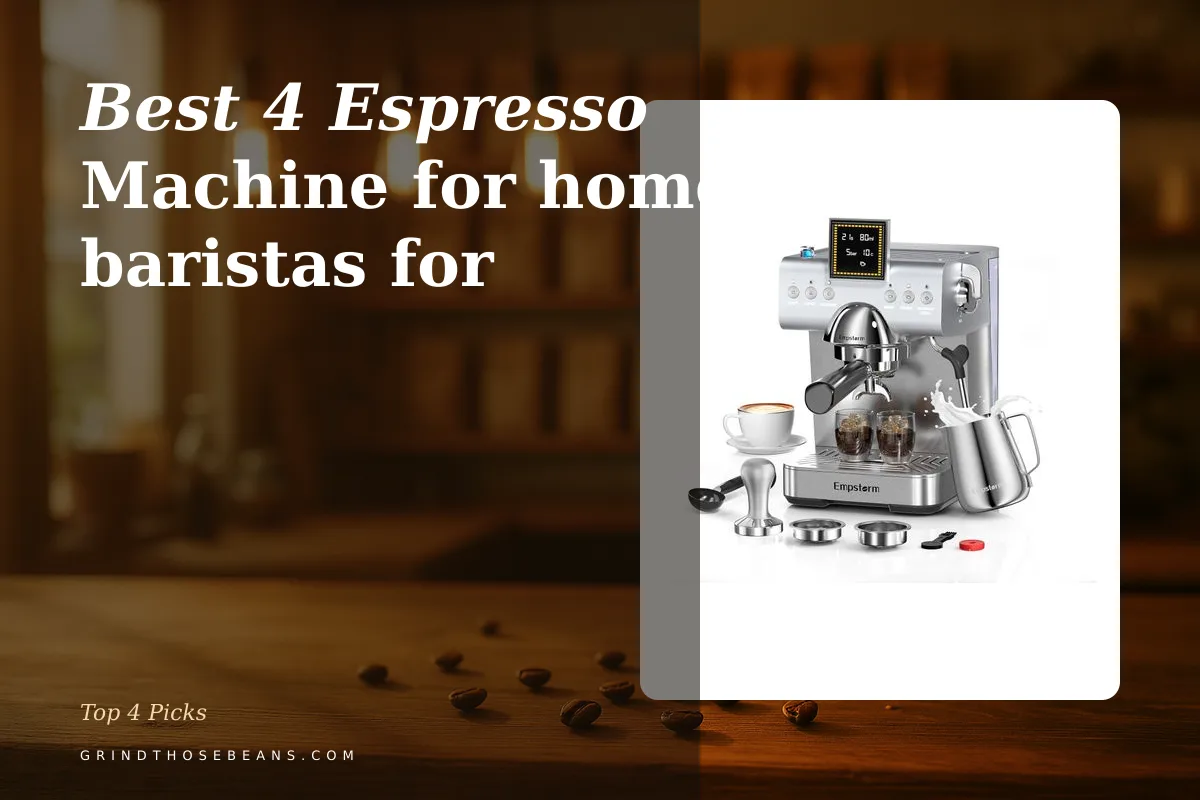
The Empstorm and CASABREWS Ultra both include built-in steam wands capable of producing genuine microfoam — the textured, velvety milk you need for lattes and cappuccinos. The Nespresso Essenza Mini (both versions) does not include a built-in frother, so you’d need a separate milk frother. Many Nespresso users pair their machine with a standalone electric frother for a complete setup.
What grind size should I use for espresso?
Espresso requires a fine grind — finer than drip coffee but not quite as powdery as Turkish coffee. On most burr grinders, that’s roughly a 1–3 on a 1–10 scale. The right setting depends on your specific grinder, the roast level of your beans, and your target extraction time (aim for 25–30 seconds for a double shot). Adjust finer if your shot runs fast and tastes sour; coarser if it runs slow and tastes bitter.