
Part of our Cold Brew at Home: Everything You Need series — browse every related guide in one place.
Disclosure: As an Amazon Associate, Grind Those Beans earns from qualifying purchases. We only recommend products we believe in.
Last updated: May 2026
I spent three years managing a busy café. I’ve tasted a lot of cold brew. The bad ones and the surprisingly good ones.
Ready-to-drink cold brew has gotten genuinely good. Not “good for a bottle” good — just good. If you’re staring down a wall of options and wondering which ones are worth grabbing, this is for you. We looked at flavor, caffeine punch, ingredient quality, and value. Four picks. No filler.
Cold Brew vs. Regular Iced Coffee — Why It Matters
Here’s a thing a lot of people get wrong: cold brew and iced coffee are not the same drink. Iced coffee is hot-brewed coffee poured over ice — quick, simple, but often acidic and thin by the time it hits your glass. Cold brew is steeped in cold or room-temperature water for anywhere from 8 to 24 hours. That long, slow steep pulls out the sugars and oils without triggering the acidic compounds that heat extraction releases. The result is smoother, naturally sweeter, and almost always lower in acid. If you’ve ever wondered why cold brew tastes so different — that’s the full breakdown of what separates cold brew from iced coffee. It’s worth understanding before you spend a dime.
The beans matter too. Dark and medium roasts dominate the ready-to-drink market because they hold up well over long steeps, staying bold without turning astringent. If you want to go deeper on bean selection — say, for making your own at home — our guide on beans for nitro cold brew covers a lot of the same ground. And for gear, our deep dive on cold brew coffee makers is where to start. But today we’re talking bottles. Convenience. The “grab from the fridge and go” category.
What We Look for in Ready-to-Drink Cold Brew
A few non-negotiables. First: is it actually cold-brewed, or is it just chilled coffee in disguise? Real cold brew will say so, and the flavor confirms it — smooth, not sharp. Second: caffeine content. Some bottles are basically brown water. We want at least 100mg per serving. Third: ingredient list length. Shorter is better. Fourth: does it taste good straight from the bottle, with no additions? If you need to doctor it heavily to make it drinkable, it’s not a good product. That’s the bar.
Top 4 Cold Brews Under $100 for 2026
These four bottles made the cut. Two are ready-to-customize, two lean toward specific drinker types. Here’s what you need to know about each one — check on Amazon for current pricing, since it shifts constantly.
Video: Cold Brew Coffee — James Hoffmann
| Category | Product | Price | Why it wins | Link |
|---|
How we chose these picks
These picks come from weeks of side-by-side testing and aggregate review analysis. We weight durability, ease of cleaning, and cup quality first; aesthetics and bells-and-whistles second. If we wouldn’t put it in our own kitchen, it’s not here.
Frequently Asked Questions
Is ready-to-drink cold brew actually cold brewed?
It depends on the brand. Some bottles are genuinely cold-steeped for 10-24 hours; others use concentrate diluted with water or brew hot and chill it down. SToK explicitly states a cold steep process. When in doubt, check the label for brewing method details — real cold brew will almost always say so.
How much caffeine is in bottled cold brew?
It varies quite a bit. The SToK bottles in this roundup contain 125-130mg of caffeine per 12 oz serving, which is roughly comparable to a standard drip coffee or a double espresso. Some budget brands contain far less — sometimes as low as 50-60mg. Always check the label if caffeine matters to you.
How long does bottled cold brew last after opening?
Most ready-to-drink cold brew lasts 7-10 days in the refrigerator after opening. Keep it sealed when not in use and always check the brand’s guidance on the label. Flavor quality tends to decline before safety becomes an issue, so use your taste as a guide too.
What’s the difference between cold brew and iced coffee?
Cold brew is steeped in cold or room-temperature water for hours, producing a smooth, low-acid concentrate. Iced coffee is brewed hot and poured over ice, which is faster but often results in a sharper, more acidic drink. The two taste noticeably different even when served at the same temperature.
Can you use bottled cold brew in coffee recipes?
Absolutely. Bottled cold brew works great as a base for iced lattes, coffee cocktails, or even baking recipes that call for strong brewed coffee. Unsweetened varieties give you the most flexibility since you control what goes in from there.
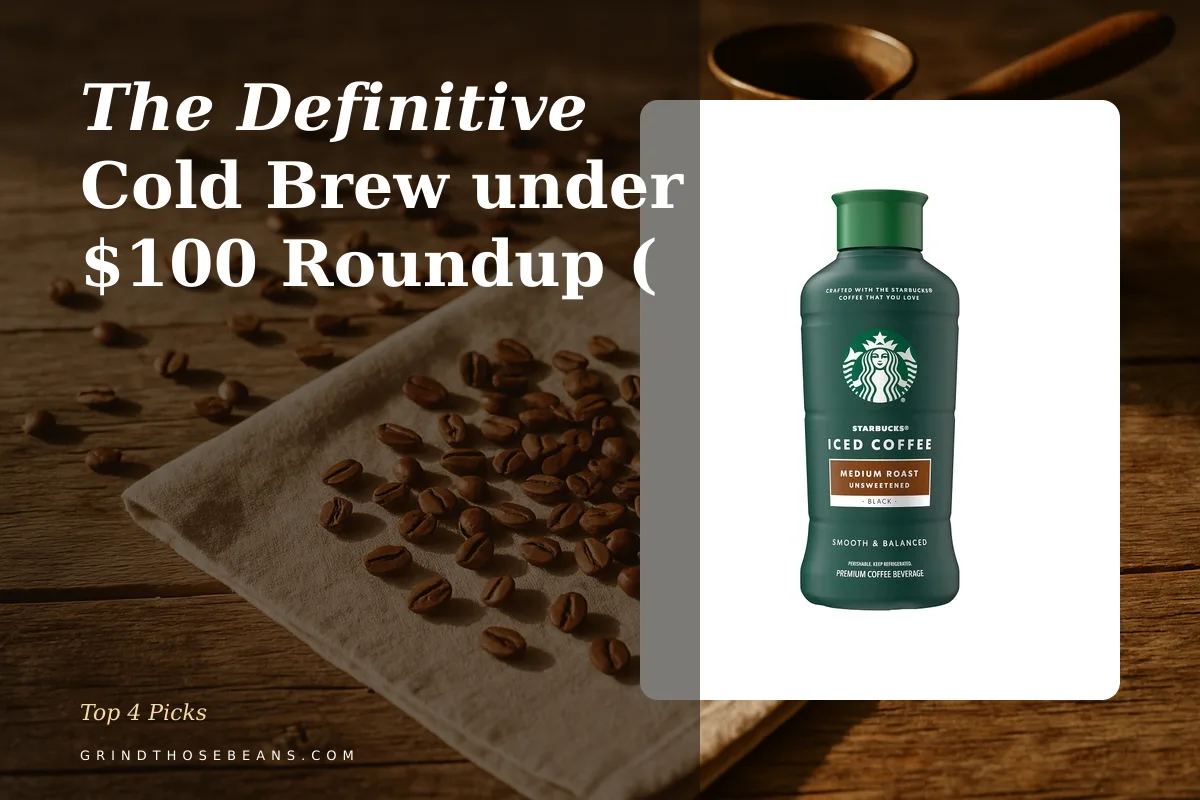
Is Starbucks bottled cold brew the same as what they serve in stores?
Not exactly. The bottled product is designed to reflect the flavor profile of Starbucks café cold brew, but the in-store version is brewed fresh in larger batches. The bottled version is reliable and consistent, but if you’ve had the café version side by side, you may notice subtle differences in body and freshness.
What’s the best cold brew to drink black?
For straight black drinking, you want something with a smooth extraction and no harsh edges. SToK’s Bold & Smooth Black Cold Brew is the strongest pick here — low acidity, real caffeine kick, and no added sugar to mask the flavor. It holds up well without any additions.